Professionally Trained. Certified Technicians.

Industrial & Residential
Septic Pumping Services
In Waterloo, Cedar Falls, and Surrounding Areas

At A-Plus Septic Pumping, we believe in quality work and customer satisfaction. Our trained professionals are ready to meet your needs day or night. With top-notch equipment and pumps, our certified technicians can handle any pumping or hydro-jetting job with ease.

Name

Why Call Us for Septic Pumping Service?

We serve both residential and industrial properties, providing dependable solutions tailored to your needs across Waterloo, Cedar Falls, Waverly, and the greater Black Hawk County region. Whether it’s routine maintenance or an urgent issue, our team is ready to deliver reliable service right at your doorstep.

Our Core Services in Waterloo Iowa

Let Us Handle Your Pumping and Hydro Jetting Needs!

Residential Service

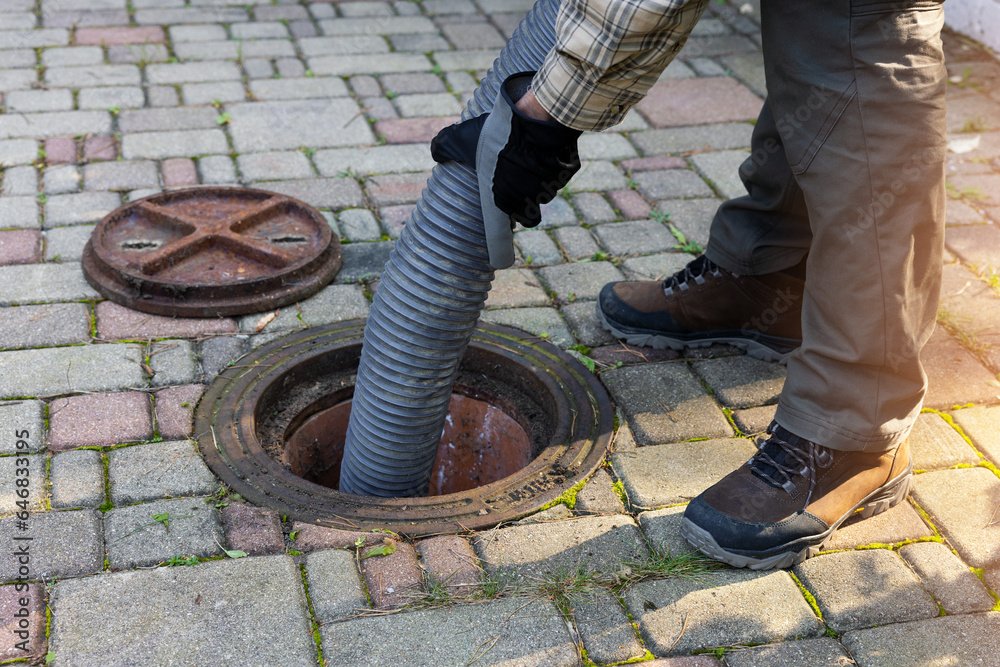
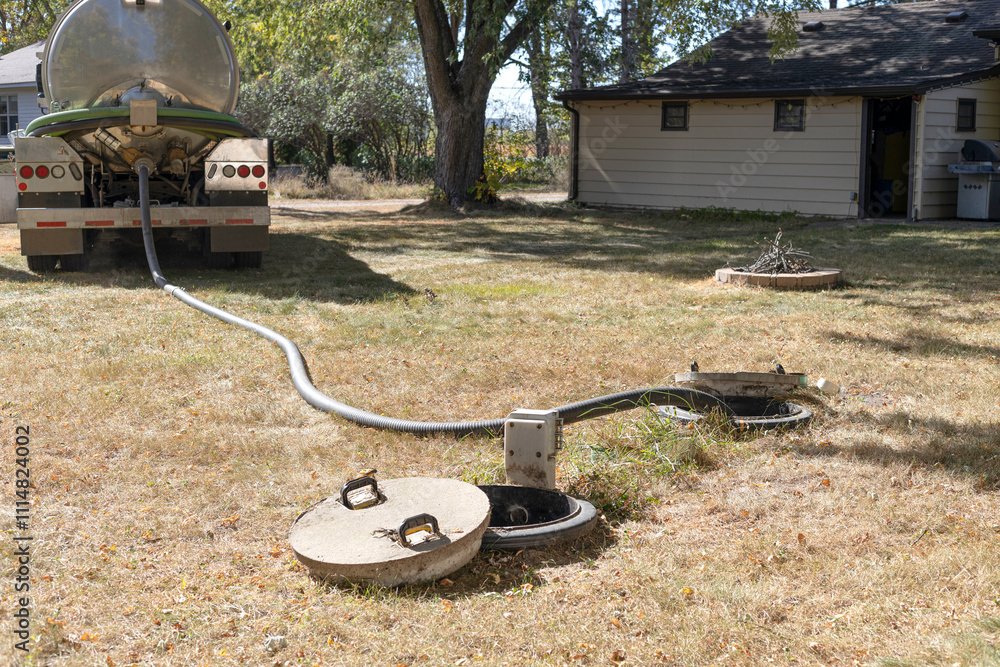
Rely on us to pump out all solids from your septic tank.

Industrial Services

From pump municipal water treatment filters,

Grease Trap

Pumping to thoroughly clean your grease trap and keep it a well maintained system.

Hydro Jetting

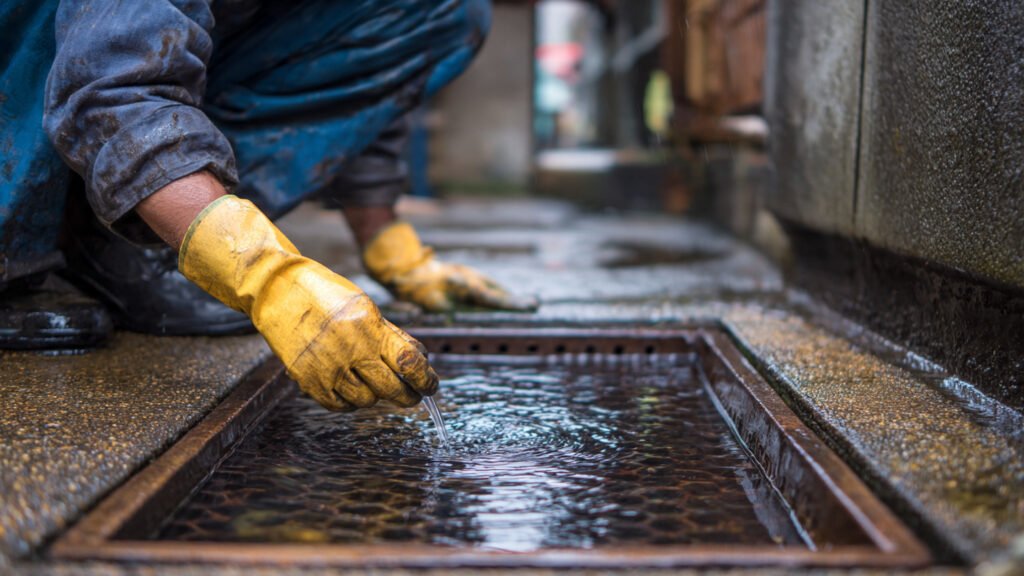
Remove the clogs in your drain with our cabling service.

Time of Transfer

Transferring your system in a real estate deal or a septic tank inspection for your property

Residential Service

Rely on us to pump out all solids from your septic tank.

Industrial Services

Pumping and maintenance of
municipal water treatment filters.

Grease Trap

Pumping to thoroughly clean your grease trap and keep it a well maintained system.

Hydro Jetting

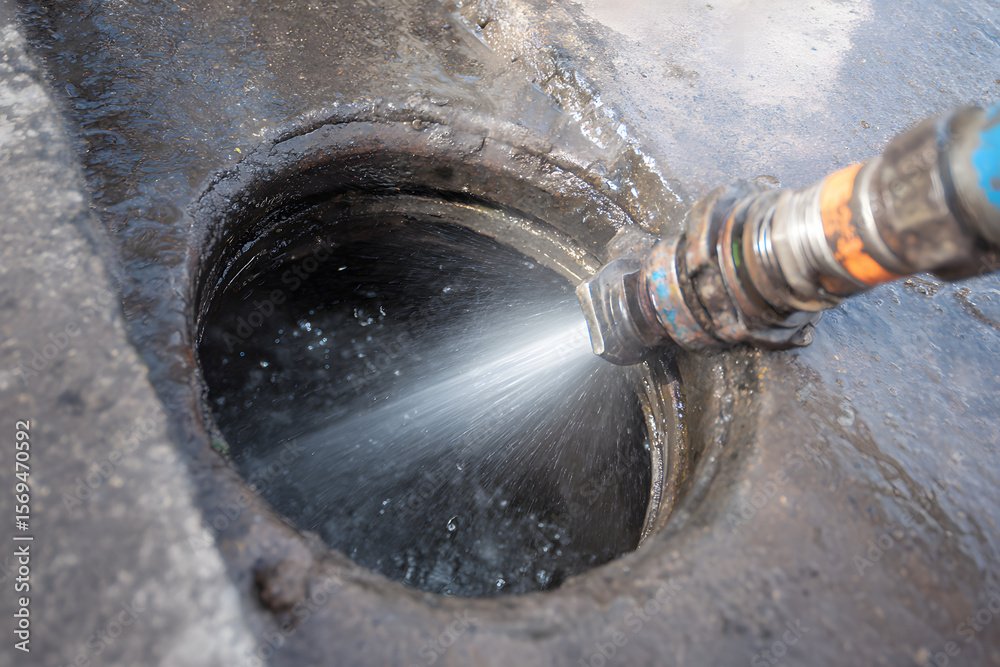
Clear clogs and blockages with professional hydro-jetting services.

Time of Transfer

Septic system transfer services for real estate closings and property inspections.

Areas Served

We serve a 25-mile radius around Waterloo, Iowa, including these towns:

Waterloo

Waverly

La Porte City

Cedar Falls

Independence

Denver

Evansdale

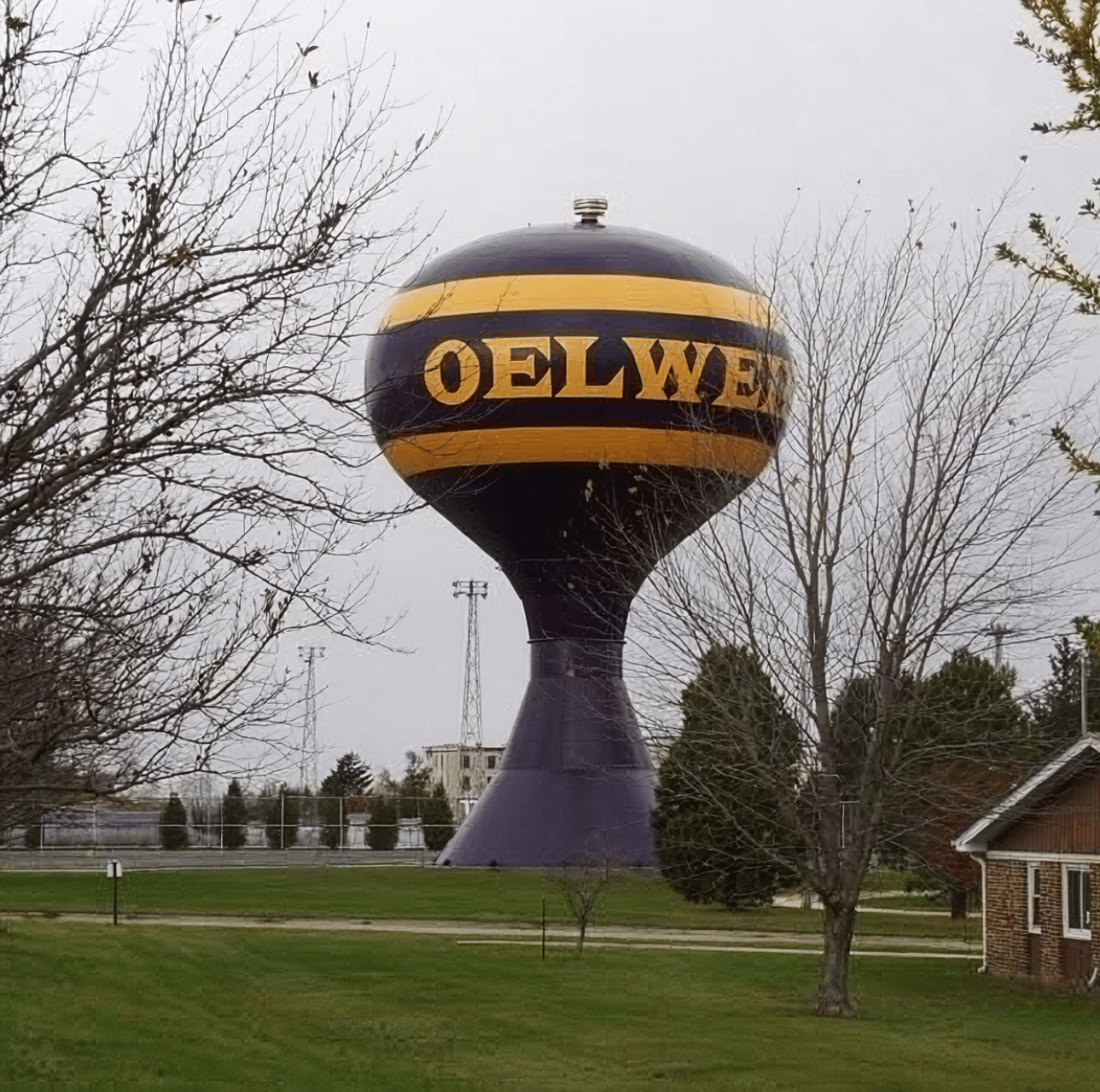
Oelwein

Hudson

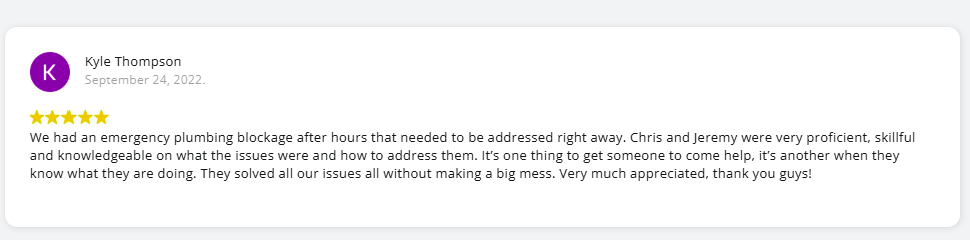
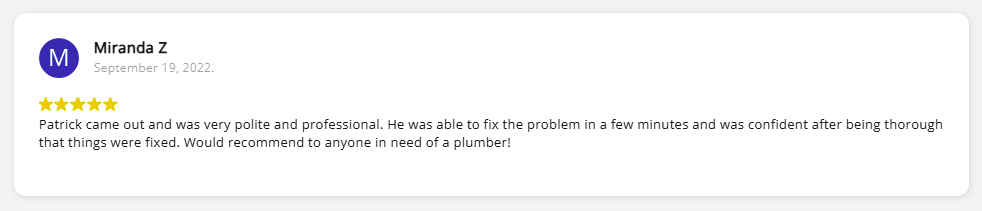
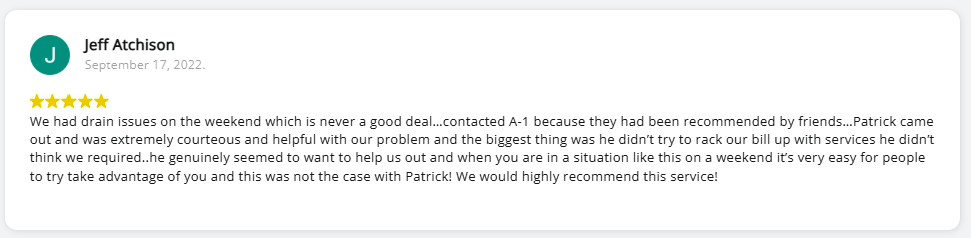
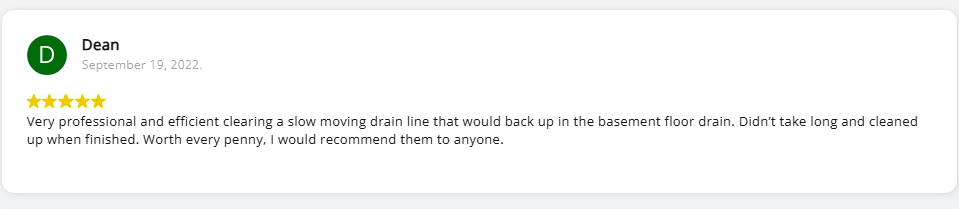
What Our Clients say

Frequently Asked Questions

The purpose of a septic system is to properly treat and dispose of sewage from your home. “Treat” means eliminating harmful pathogens, including bacteria, viruses, parasites, and helminth worms.

A leaching device is a contrivance that is built into the soil. It utilizes the properties of the soil to both kill pathogens (treatment) and disperse the water into the soil.

Most septic tank additives claim to break up sludge, but this defeats the tank’s intended purpose. Many studies have tested these additives and found no evidence that they are effective — they are generally a waste of money.

Absolutely. Your septic system is designed to handle the water from a “typical household.” The average family uses between 150 and 300 gallons per day. Anything you can do to cut back on water consumption will extend the life of your leaching device. As a matter of fact, if you use no water (in reality we know this is ridiculous), your leaching device will never fail. The point here is: water consumption is directly connected to system life. If houses are constructed or retrofitted with low flush toilets and low-use shower heads, this is good for the system.

Another point: some systems fail due to overconsumption of water. Sometimes a toilet will leak can mean an additional 100 gallons of water per day going into the system. Or sump pumps, which are not supposed to empty into the system, can saturate the system with water and cause it to fail.
Water usually moves through the soil in a downward movement due to gravity. Eventually, the water combines with either a surface or subsurface body of water. A portion of the water may be taken up by plants and moved upward. The plants then use the water to grow.

Soil destroys pathogens in a combination of ways. The soil can act as a filter to strain out pathogens. There are also chemical and biological actions performed on the pathogens to dispose of them.

Yes, we provide 24/7 emergency services and respond quickly when you need us most.